How a Landlord Attorney Can Aid You Navigate Difficult Tenant Disputes
Navigating tenant disputes can be a facility and intimidating task for proprietors. Issues such as non-payment, lease infractions, and even the eviction procedure typically need a nuanced understanding of landlord-tenant regulations. A proprietor lawyer supplies useful competence in these circumstances. They evaluate disputes, supply strategic solutions, and guarantee compliance with legal demands. Knowing when to seek their support can be necessary. The following actions can substantially influence the outcome of any dispute.
Comprehending Landlord-Tenant Legislation
Recognizing landlord-tenant regulations is essential for both occupants and proprietors to browse their legal rights and obligations successfully. These laws vary by jurisdiction but generally outline the obligations of each event pertaining to residential property upkeep, lease repayment, and eviction processes. Landlords should offer habitable living conditions and regard lessees' privacy, while tenants are called for to pay lease promptly and maintain the residential or commercial property. Familiarity with these regulations assists prevent disputes and advertises unified relationships. In addition, understanding of tenant protections, such as security down payment policies and anti-discrimination regulations, can empower lessees. For proprietors, recognizing legal choice in situation of lease offenses is crucial. In general, a strong grasp of landlord-tenant legislations fosters a balanced and reasonable rental experience for both parties entailed.
Evaluating the Nature of the Dispute
When a disputes emerges between a landlord and tenant, examining the nature of the conflict is crucial for identifying the proper strategy. Disagreements can vary from lease violations, property maintenance issues, to differences over down payment or eviction treatments. Each kind of conflict requires a tailored technique. A comprehensive evaluation includes event pertinent documents, such as lease arrangements and interaction documents, to develop the facts. Additionally, understanding the motivations and worries of both events can provide insight right into possible resolutions. This fundamental assessment is crucial, as it notifies the proprietor's lawyer on how to best advocate for their customer, ensuring that the landlord's civil liberties are protected while going for a fair end result.
Approaches for Managing Non-Payment Issues
Countless approaches exist for landlords to resolve non-payment problems efficiently. Open communication is essential; proprietors must reach out to lessees to understand their economic circumstance. Adaptable repayment plans can be used, allowing occupants to pay past due rent in convenient installations. In addition, proprietors may think about supplying incentives for prompt repayments in the future, such as discounts or waiving late fees. Recording all interactions and agreements is vital for legal defense and quality. Landlords can seek mediation solutions to help with conversations if essential. Eventually, if these strategies stop working, seeking lawful action might be called for, but it needs to be seen as a last hope. By utilizing these techniques, landlords can potentially solve non-payment concerns agreeably and efficiently.
Dealing With Lease Violations Effectively
Resolving lease violations calls for a clear understanding of what constitutes a violation of the rental contract - Steven Adair MacDonald & Partners PC. Identifying details lease offenses is vital for property owners to take appropriate activity. Furthermore, exploring the legal remedies offered can help ensure that landlords shield their legal rights effectively
Determining Lease Violations
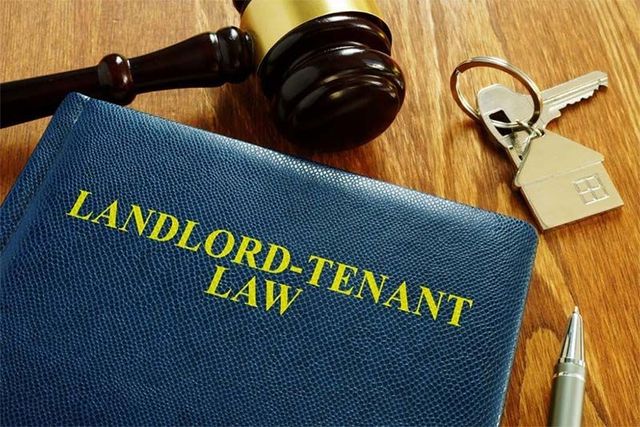
A keen eye for detail allows property owners to identify these issues early, helping with prompt resolution. Documenting infractions with photographs, created notifications, and correspondence can provide beneficial evidence if disputes arise. Open up communication with lessees regarding worries and expectations additionally plays a crucial duty in recognizing issues before they intensify. By resolving offenses quickly and fairly, proprietors can promote trust fund and cooperation, eventually adding to an extra positive rental experience for both parties.
Legal Remedies Readily Available
When lease offenses happen, landlords have numerous legal solutions available to attend to these issues successfully. One common solution is providing an official notification to the tenant, detailing the particular violation and providing a duration for adjustment. If the tenant falls short to abide, property managers might pursue eviction process, relying on neighborhood laws (Steven Adair MacDonald & Partners PC). Furthermore, landlords can seek financial damages for any kind of financial losses incurred as a result of the infraction. Arbitration is another choice, permitting both parties to discuss a resolution without litigation. If offenses are serious or recurring, landlords might likewise consider lease discontinuation. Consulting a proprietor lawyer can supply support on the very best training course of activity, making certain that all remedies align with applicable legislations and policies
The Expulsion Process and Legal Considerations
The eviction process can differ considerably by jurisdiction, it generally complies with an organized lawful framework that proprietors must stick to in order to secure their civil liberties. Property owners have to supply renters with a proper notification, defining the reason for eviction and providing them a marked duration to correct the circumstance or leave the facilities. If the tenant fails to comply, property managers can submit an expulsion suit in the suitable court. Upon obtaining a judgment, proprietors may obtain a writ of property, enabling them to redeem their home. It is vital for property managers to recognize neighborhood laws and laws governing the eviction procedure, as improper procedures can bring about delays or termination of the case, threatening their ability to reclaim belongings.
Documentation and Record Maintaining
Effective paperwork and document keeping are crucial for property owners taking care of tenant disputes - Eviction Lawyer For Landlords. Exact records supply a clear timeline of events, including interaction, lease contracts, and repayment backgrounds. This info can be important in showing and resolving problems compliance with lawful obligations. Landlords must maintain comprehensive notes on tenant communications, including any issues, upkeep requests, and reactions. Keeping duplicates of all correspondence, such as e-mails and letters, guarantees that there is a trustworthy referral for any issues that may develop. In addition, pictures of residential property problems can work as crucial evidence in disputes. By methodically arranging these documents, landlords can efficiently support their position and navigate challenges with self-confidence, therefore decreasing misconceptions and cultivating an extra favorable landlord-tenant connection
When to Seek Legal Representation
At what point should a property manager think about seeking legal depiction for tenant disputes? When Learn More Here disputes escalate past basic disputes, landlords should ponder legal assistance. Scenarios such as non-payment of rental fee, lease infractions, or damage to residential or commercial property might need professional treatment. When communication with the tenant breaks down or comes to be ineffective, an attorney can give clearness and technique. If the landlord expects eviction proceedings or prospective lawsuits, engaging lawful counsel is important to assure compliance with neighborhood legislations. In addition, property managers facing harassment insurance claims or discrimination allegations ought to look for immediate legal aid to safeguard their rate of interests and rights. Eventually, very early consultation with a lawyer can aid reduce threats and facilitate an extra beneficial resolution.
Frequently Asked Inquiries
Just How Much Does Hiring a Landlord Attorney Typically Price?
Working with a proprietor attorney normally costs in between $150 to $500 per hour, relying on the lawyer's experience and location. Some may use flat charges for certain solutions, which can vary commonly based on the intricacy of the instance.
Can a Landlord Attorney Represent Me in Small Claims Court?
Yes, a landlord attorney can represent clients in little cases court. Their expertise aids ensure appropriate legal procedures are complied with, boosting the probability of a positive end result in disputes with occupants over different problems.
What Certifications Should I Try to find in a Property manager Attorney?
When seeking a property manager attorney, one ought to prioritize qualifications such as pertinent lawful experience, specialization in landlord-tenant law, favorable customer evaluations, strong settlement skills, and knowledge with neighborhood guidelines and court procedures.
For how long Does the Eviction Process Normally Take With Legal Support?
The eviction process commonly takes in between three to 6 weeks with legal assistance, depending upon local regulations, court routines, and the intricacy of the situation, guaranteeing an extra effective resolution for property owners encountering tenant disputes. - Steven Adair MacDonald & Partners PC
What Should I Give My First Consulting With a Landlord Attorney?

Steering tenant disputes can be a facility and frightening job for landlords. When a disputes arises between a property owner and tenant, assessing the nature of the dispute is vital for figuring out the proper training course of activity. If the tenant falls short to abide, proprietors might seek eviction process, depending on neighborhood regulations. Efficient paperwork and document maintaining are essential for landlords managing tenant disputes. Landlord Attorney. At what point should a property owner take into consideration seeking lawful representation for tenant disputes?
Comments on “Eviction Process Checklist: Insights From an Experienced Eviction Lawyer For Landlords”